Rodents don't need much space. A mouse can fit through a dime-sized gap; a rat through a quarter-sized hole. Here are the entry points we find most often on East Bay homes.
Foundation and stem wall gaps
Utility penetrations, weep holes, and cracks in the stem wall are frequent entry points. Anything that reaches from the outside into the crawlspace deserves inspection.
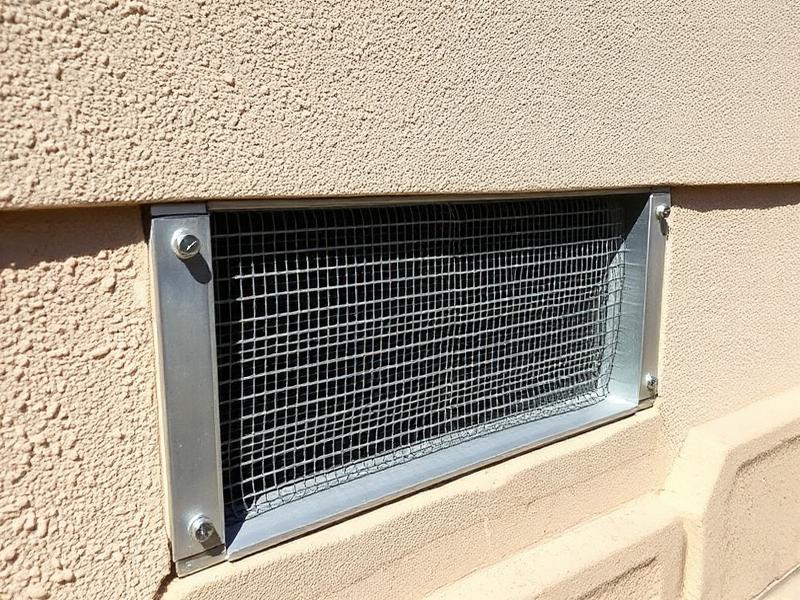
Crawlspace vent screens
Original crawlspace vent screens rust, tear, and get pushed aside over time. Re-screening with rodent-resistant material is one of the highest-impact exclusion steps.
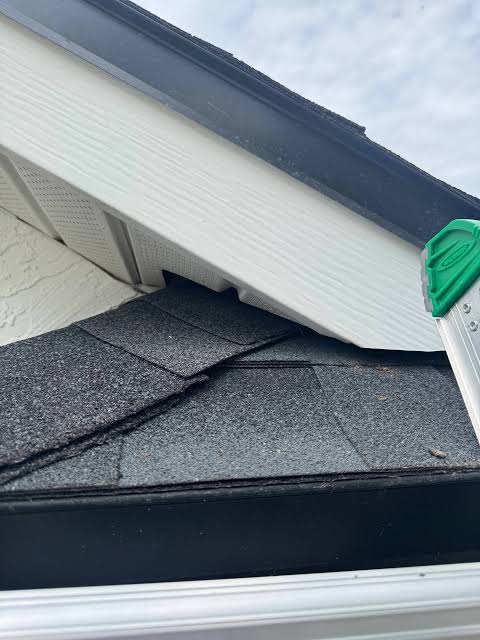
Roofline and eave gaps
Construction gaps where the roof meets the wall, especially on two-story homes and additions, are one of the most common attic entry paths.
Gable and attic vents
Gable vents are meant to breathe, but they are frequently under-screened. Reinforcing them with proper mesh keeps airflow while blocking rodents.
Garage door corners and seals
Garage doors compress with age, and the corners often show daylight. Rodents use that gap to move from the exterior into the garage, and often into the interior from there.
Plumbing and HVAC penetrations
Anywhere a pipe or duct enters the home is a potential opening. Sealing these with rodent-resistant material is a small step with a big impact.
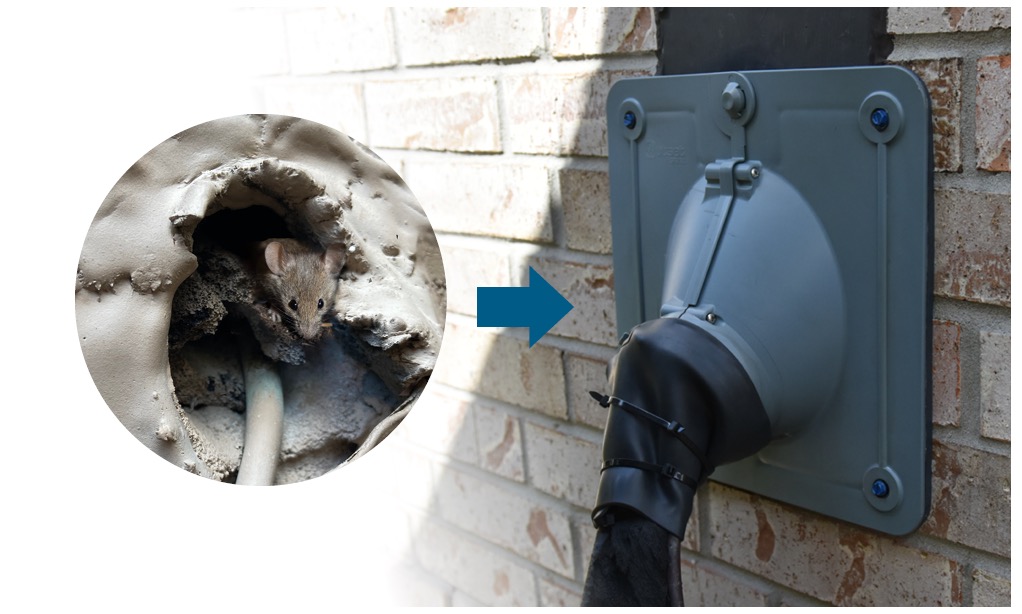
Dryer vents and utility boxes
Flexible dryer vents and exterior utility boxes often have soft covers or loose flanges. Rodents chew through plastic and squeeze past damaged flaps, so these deserve a close look during any inspection.