If you hear scratching overhead at night in Oakland, Berkeley, Walnut Creek, or elsewhere in the East Bay, you are often dealing with roof rats. These agile climbers prefer elevated nest sites, and our mild climate plus mature tree canopy give them year-round pressure on East Bay homes.
Why roof rats thrive in the East Bay
East Bay neighborhoods mix older rooflines, fruit trees, ivy, and utility lines that act like highways. Roof rats breed through mild winters, so activity does not pause the way it might in colder climates. Hillside and canyon-edge homes (think Oakland and Berkeley hills) sit next to dense vegetation; flatter cities still have mature street trees and power lines that reach many roofs. That combination keeps attic entry pressure high across Contra Costa and Alameda County.
Roof rats vs Norway rats
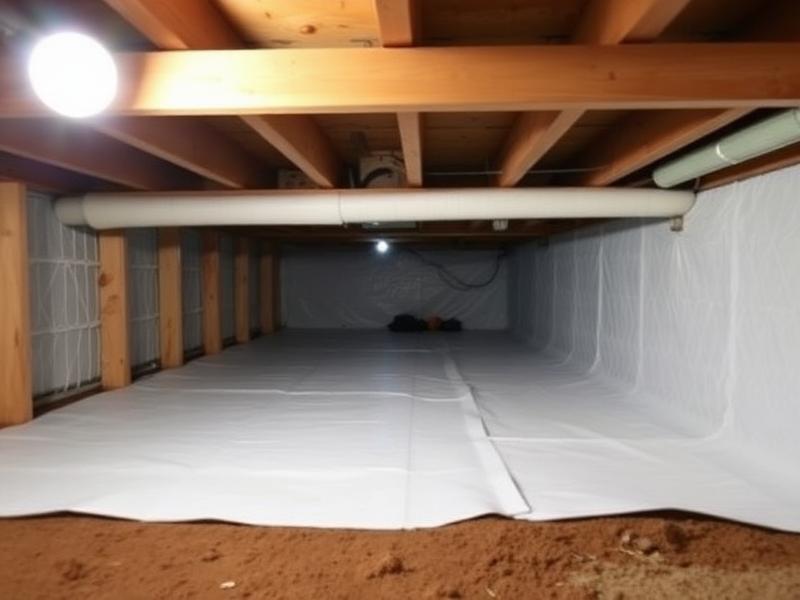
Roof rats are smaller, darker climbers that nest in attics, soffits, and dense shrubbery. Norway rats are heavier, ground-oriented rodents that prefer burrows, crawlspaces, and lower entry points. Both can show up in East Bay homes, but attic noise, chewed vent screens, and travel along the roofline usually point to roof rats. Knowing the pattern helps you look up first instead of only checking the garage floor.
How roof rats reach East Bay attics
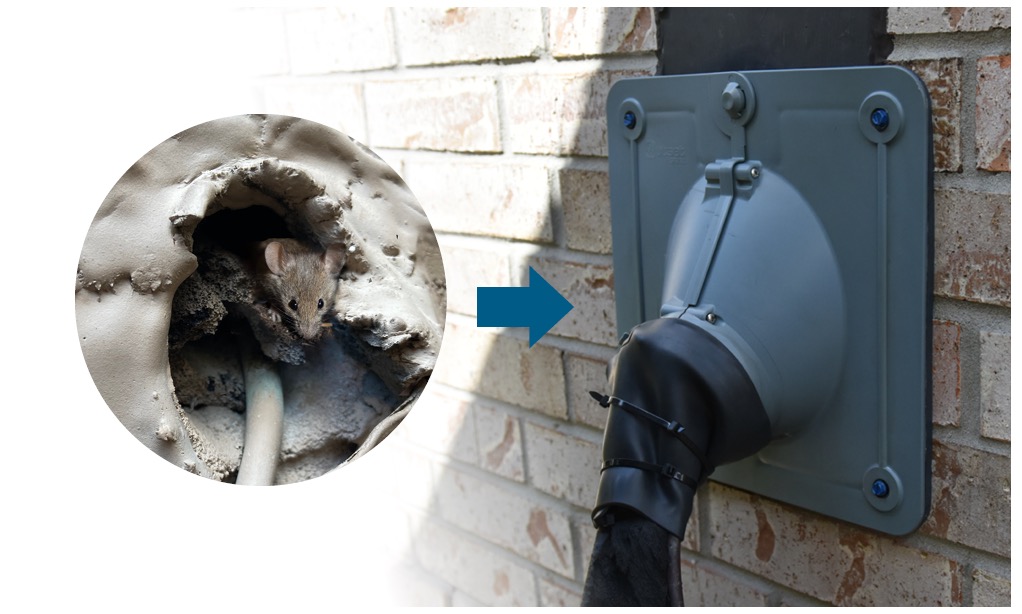
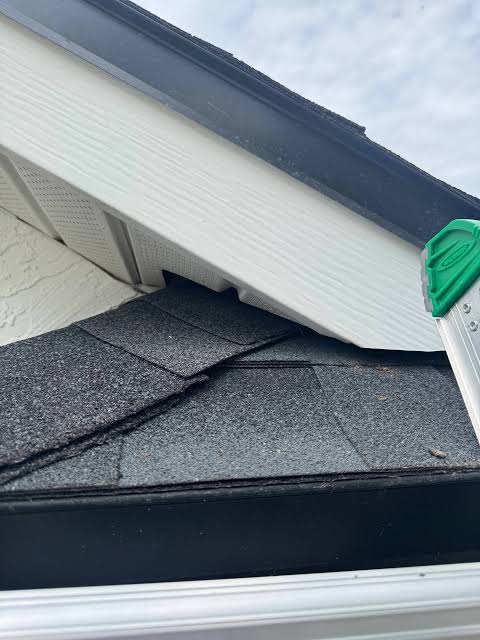
Roof rats rarely need a ground-level hole. They jump from overhanging branches, climb ivy or lattice to the eaves, and run utility lines to the roof. Once on the structure, they exploit torn attic or gable vent screens, gaps where the roof meets the wall, open soffit returns, and pipe or cable penetrations. Our common rodent entry points guide covers the full perimeter; for roof rats, start with anything eight feet up and higher.
Signs that point to roof rats
Night scratching or scurrying in the attic or ceiling is the classic call. Look for raisin-sized droppings in insulation, shredded nesting material, grease rub marks along beams, and chewed wiring or vent louvers. A musky odor that does not clear can mean longer-term nesting. Our rats in attic signs guide walks through confirmation step by step if you are still unsure what you are hearing.
Yard steps that actually help
Trim tree limbs so branches stay about four to five feet off the roof. Harvest or remove fallen fruit, keep trash and green bins sealed, and pull ivy off walls that give a climbing path to the eaves. These steps reduce bridge access and food, but they do not replace sealing. A trimmed yard with an open gable vent still invites the next roof rat that finds the gap.
What stops roof rats: seal elevated entry points
Exclusion is the lasting fix. Reinforce attic and gable vents with 1/4 inch galvanized hardware cloth, close eave and roof-to-wall gaps with metal flashing or mesh locked in place, and seal utility penetrations with chew-resistant materials. Soft foam alone fails; roof rats chew through it. Pair sealing with removal of any rats already inside so new ones are not replacing the ones you trap.
When to call for a free entry point inspection
Call when attic noise continues, droppings keep appearing, or you can see daylight or torn screens at vents and eaves. A free rodent entry point inspection maps the elevated openings roof rats use on your specific home and gives you a written plan for rat proofing and attic rodent proofing without poison. That is the fastest way to stop the cycle instead of guessing from the ground.