Scratching or scurrying inside walls is one of the most common mouse calls we get from East Bay homeowners. Acting in the right order matters. These first steps help you confirm what is going on and stop new mice from getting in.
1. Confirm the signs
Listen for light, quick scratching at night, especially near kitchens, laundry rooms, or shared walls with the garage. Look for rice-sized droppings, chew marks on food packaging, and grease smudges along baseboards. Confirming activity before sealing helps you know whether mice are still active or already gone.
2. Do not use poison
Poison and bait stations can leave mice dying inside walls, which creates odor and cleanup problems. We do not use poison. Focus on finding how they got in and closing those openings instead of hoping bait will end the problem.
3. Find the entry points
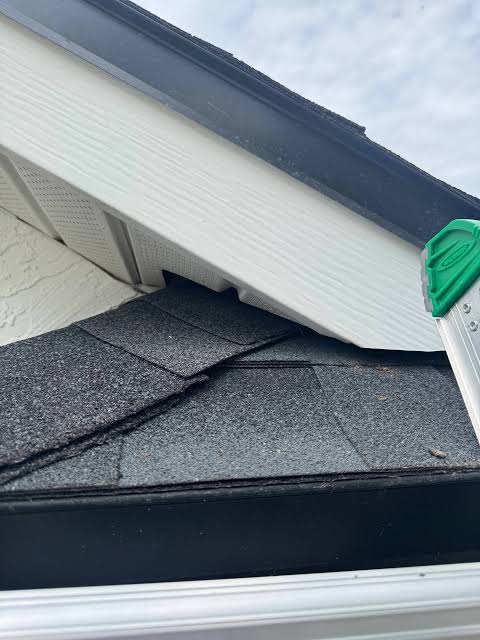
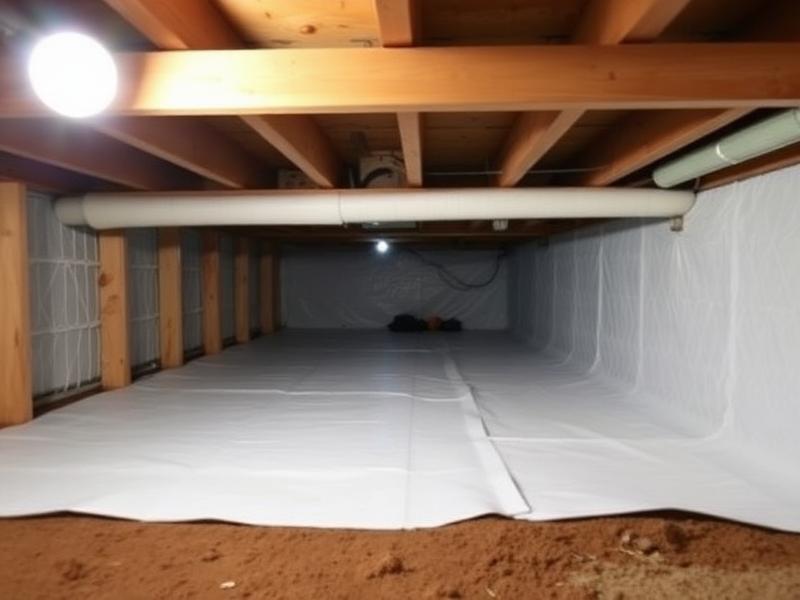
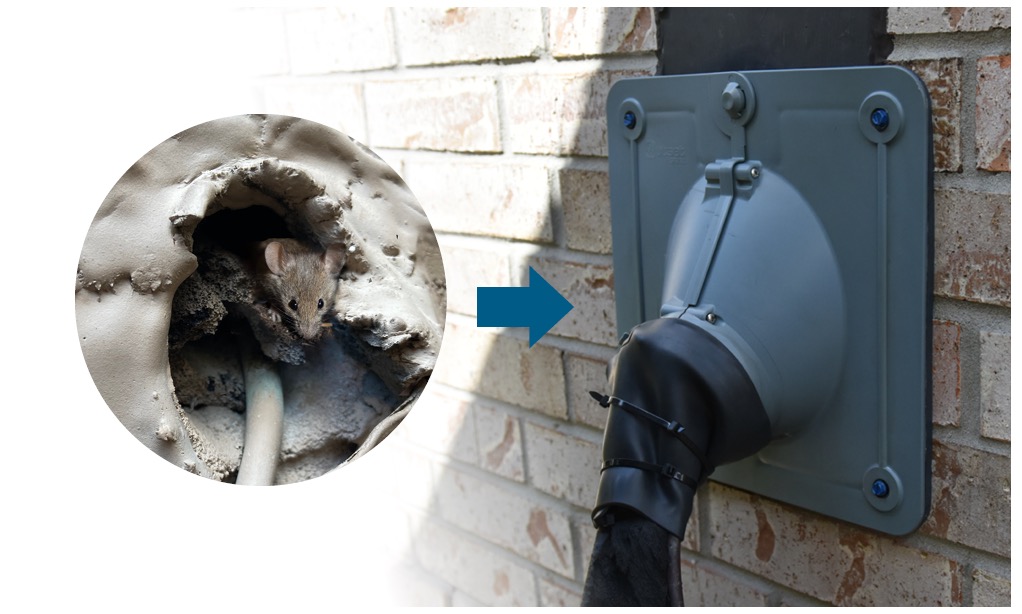
Mice only need a dime-sized gap. Check garage door corners, dryer vents, pipe penetrations under sinks, crawlspace vents, and gaps where utilities enter the home. Exterior openings often feed wall voids, so a full perimeter look is more useful than chasing sounds room by room.
4. Seal the openings
Close confirmed gaps with rodent-resistant materials such as hardware cloth, metal flashing, and exterior-grade sealant. Soft fillers alone rarely hold. Sealing is the step that stops new mice from replacing the ones already inside.
5. Clean up safely
After access is closed, clean droppings and nesting material with proper protection, and address odors if needed. Sanitation removes scent trails that attract more mice. If contamination is heavy or hard to reach inside walls or the attic, schedule professional cleanup with your exclusion plan.