A rodent entry point inspection is not a five-minute walk-around. Here is what a thorough inspection actually looks like, and what you should expect to learn from it.
Full exterior walk
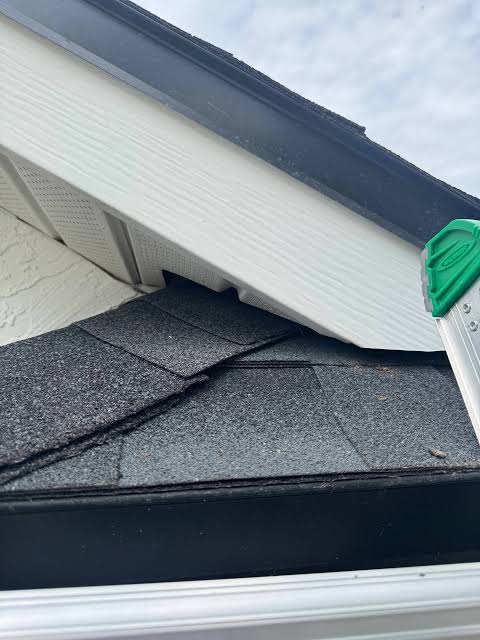
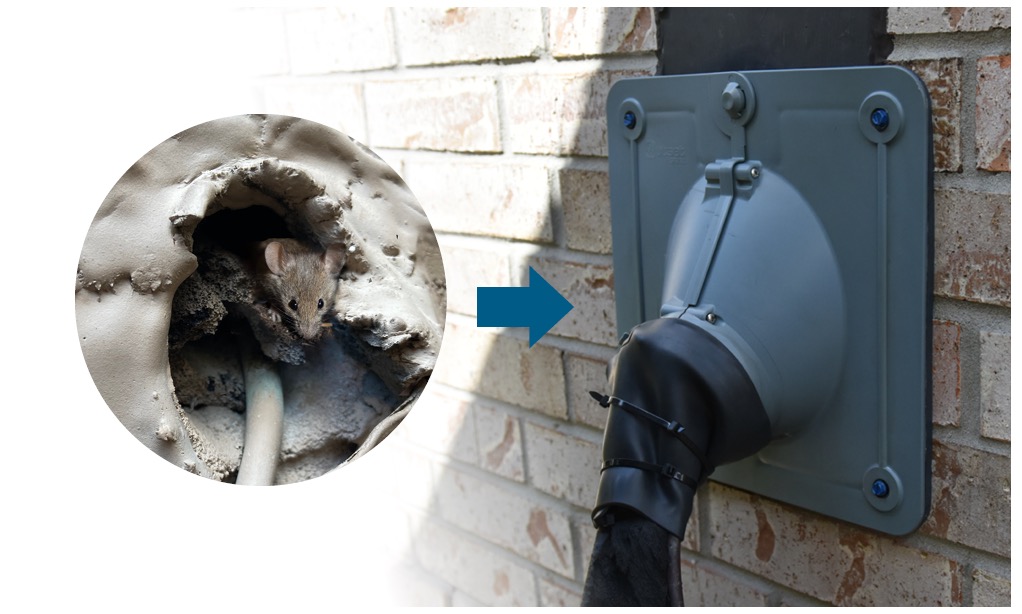
We walk every side of the home looking for gaps, torn screens, weep holes, roofline transitions, and utility penetrations. Anything a rodent could exploit gets flagged.
Attic inspection
Where the attic is safely accessible, we look for droppings, runways, grease marks, insulation damage, and interior gaps where rodents may be entering from the roofline.
Crawlspace inspection
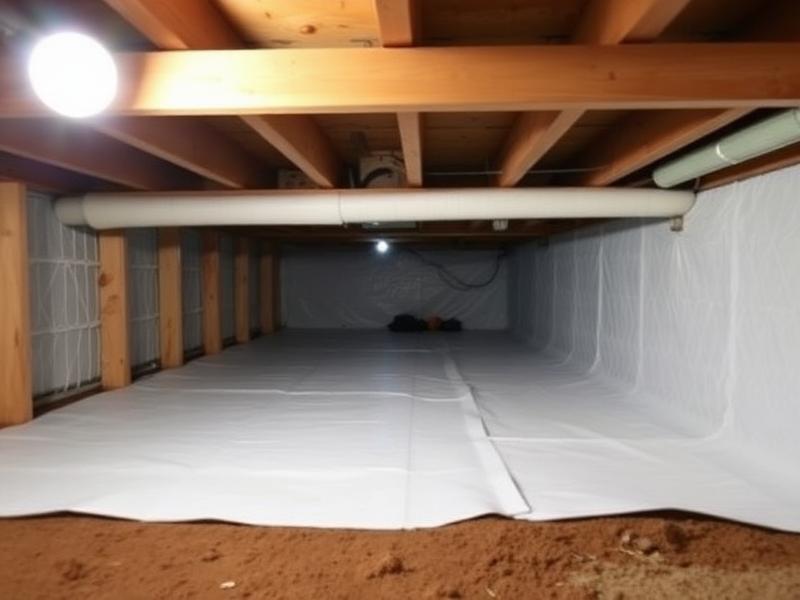
Vent screens, access panel, sub-floor insulation, and the vapor barrier all get inspected. Crawlspace access is often the single biggest source of activity.
Garage and utility areas
Garage doors, jambs, utility penetrations, and shared wall access to the interior are common entry paths, and they get their own dedicated look.
Written plan
You come away with a clear picture of where rodents are getting in, which openings are highest priority, and what the exclusion plan looks like.